Belt tracking

Trackermann

Belt tracking frames, pulleys and rollers.

Trackermann: five-pivot Ackermann geometry and the centreless pivot point (1 min 10 s, unmute for sound)
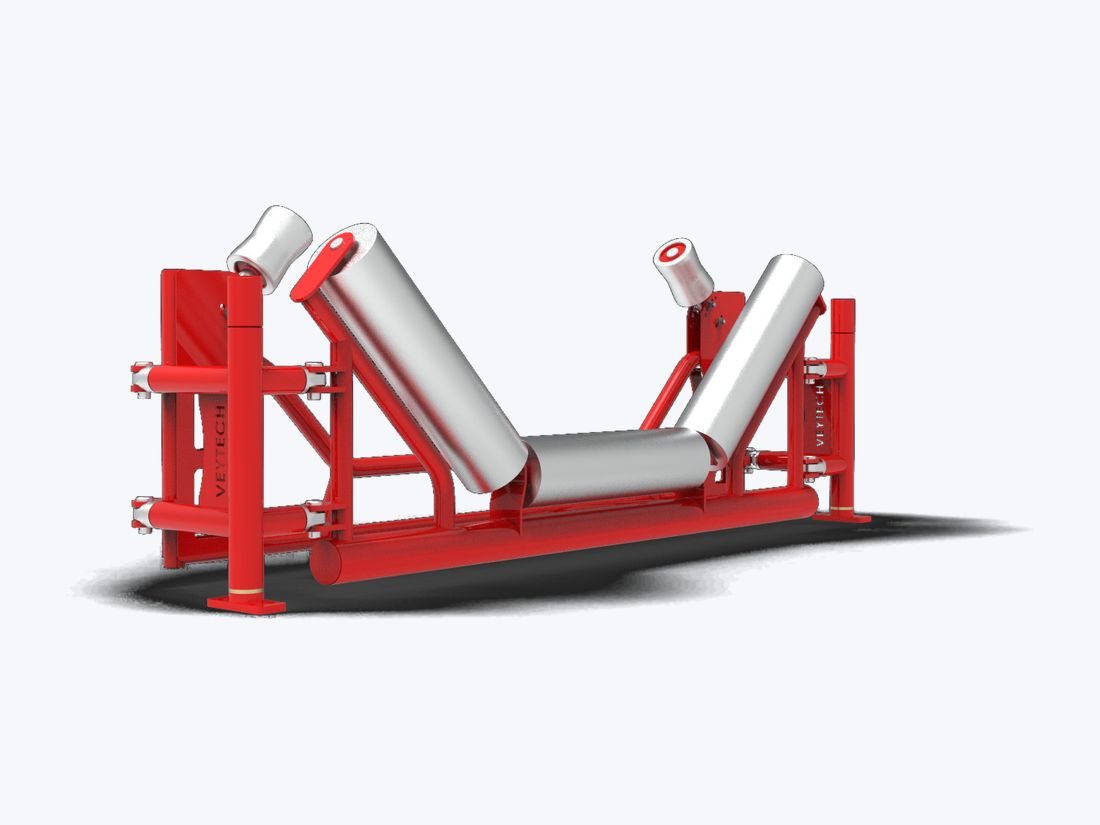
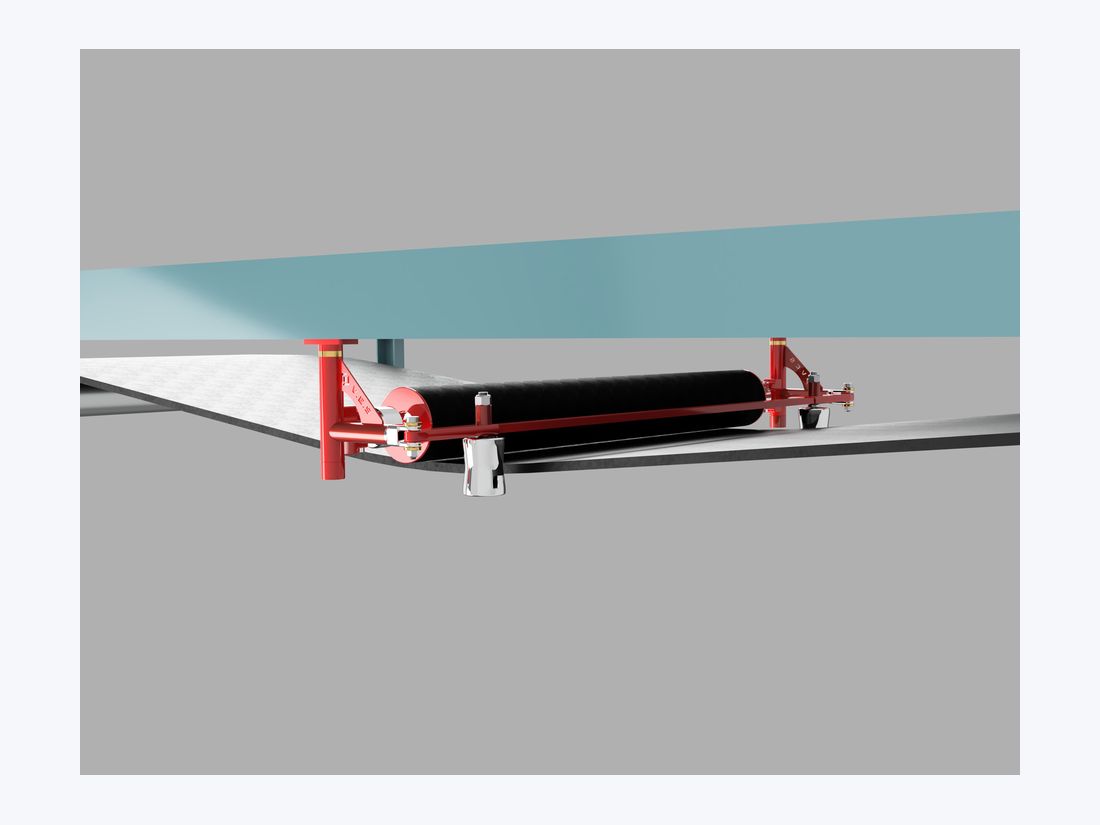
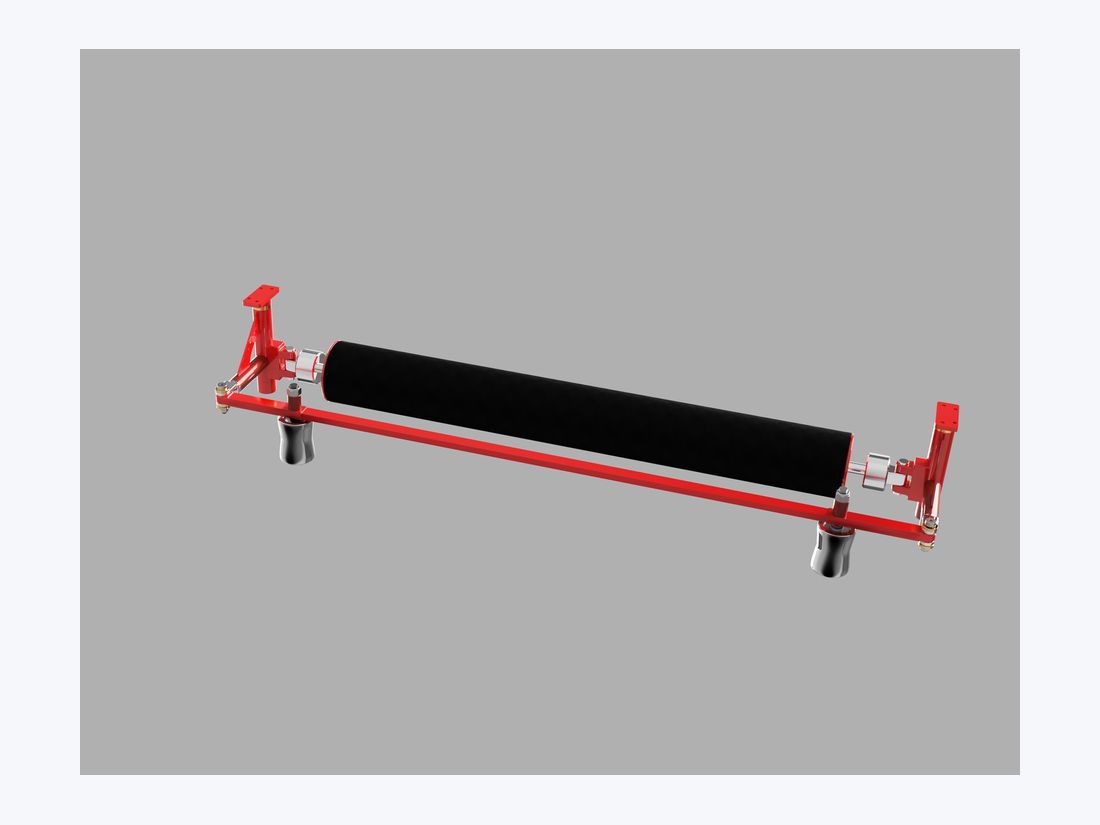
Trough Tracker: five-pivot frame with rubber-lagged rollers
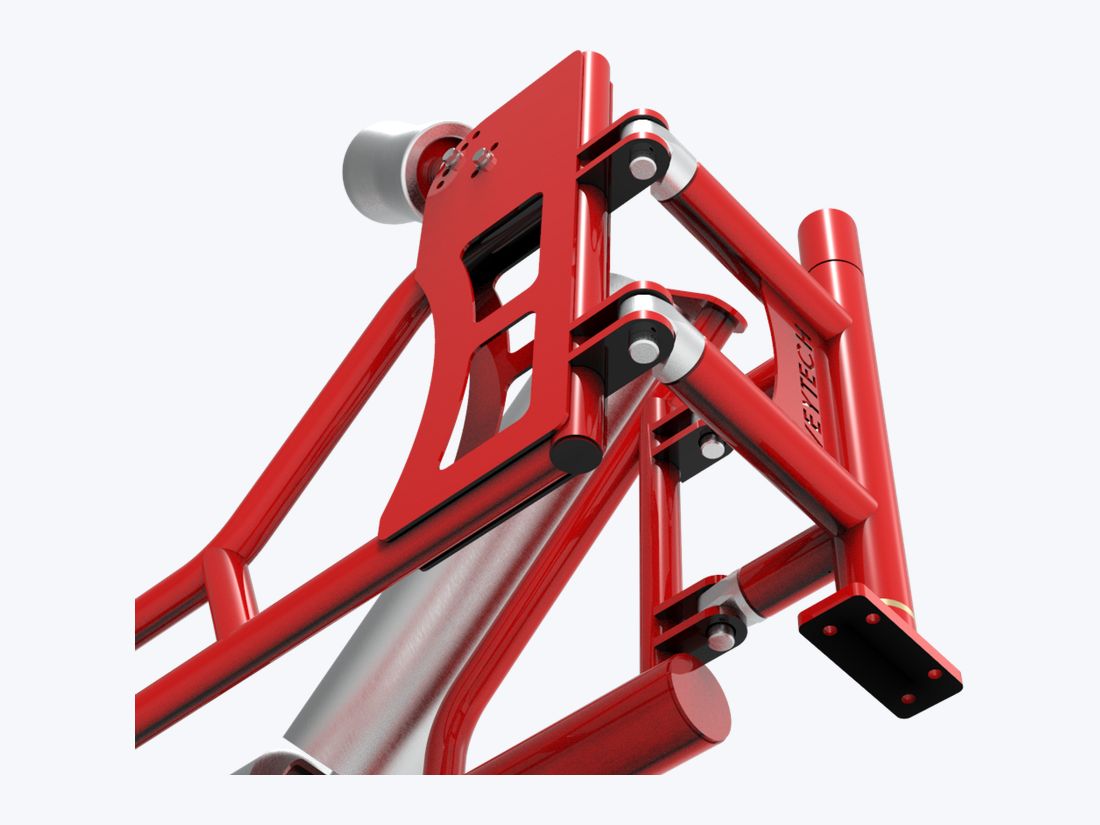
Pivot assembly detail
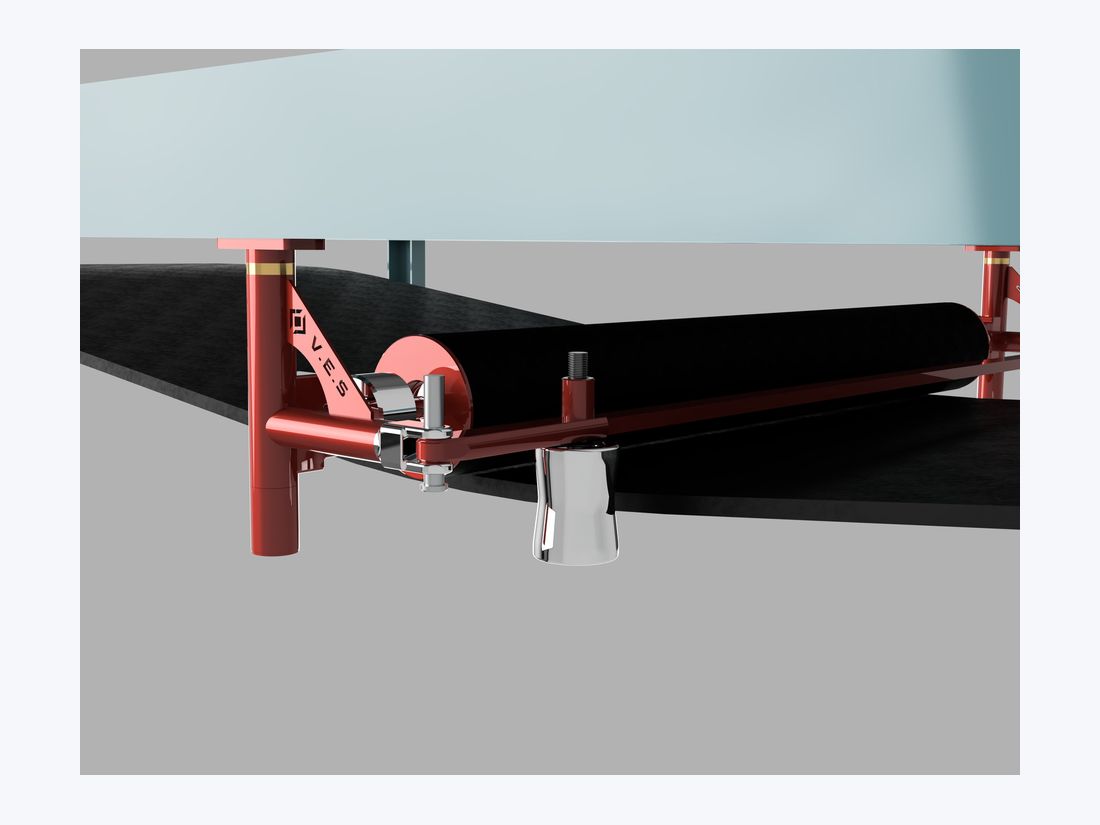
Vee Return Tracker
Vee Return Tracker
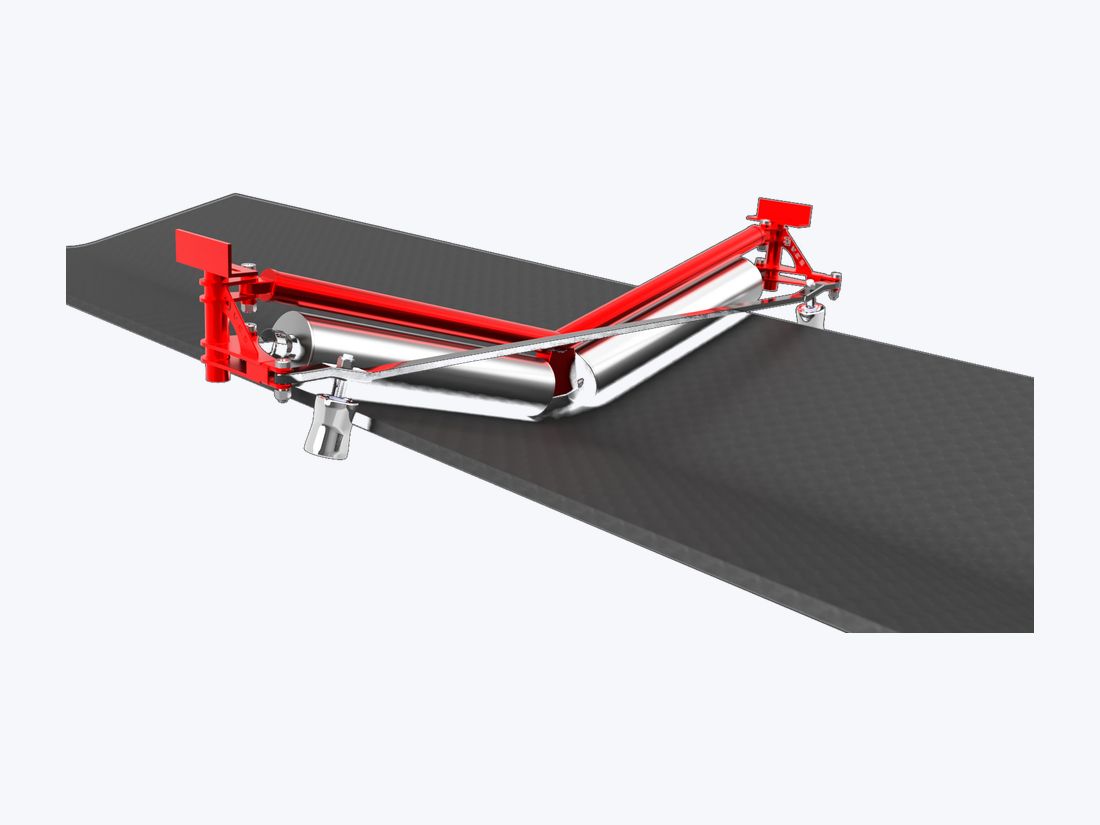
CleanTrax return tracker
CleanTrax on the clean side of the return belt
Return Tracker
Return Tracker
Belt tracking · Patent pending

Tracking frames built on Ackermann steering geometry, the same principle that steers a car. A five-pivot assembly with 28° of rotation spreads load across two stanchions, so the frame steers the belt back to centre without the seizing and bearing collapse of single-pivot designs.

  • Trough Tracker replaces standard 3, 4 or 5-roller idler frames directly
  • Return Tracker for the dirty side; CleanTrax pressure-roller model for the clean side, 10–15 m before the tail pulley

Trackermann in detail: trough, return and CleanTrax models

Why Ackermann geometry

Conventional tracking frames pivot on a single centre bearing that carries the whole load. Under mining tonnages that bearing seizes or collapses and the frame stops steering. Trackermann uses the Ackermann steering geometry first applied to horse carts in 1878 and later to motor cars: a five-pivot assembly with 28° of rotation that spreads the load across two main stanchions, so the frame keeps responding to belt wander for its whole life.

Trough Tracker

  • Direct replacement for standard 3, 4 or 5-roller trough idler frames.
  • Rubber-lagged rollers give swift, precise realignment of a misaligned belt.
  • No centre-pivot bearing to fail; load carried on two stanchions.

Return Tracker

Mounted on the dirty side of the return belt, using the same five-pivot geometry for effective tracking control on the return strand.

CleanTrax

Mounted on the clean side of the belt and acting like a pressure roller, so it can be run at higher tension. Best positioned 10–15 metres before the tail pulley.

Selection

Belt widthTo suit; specify belt width and trough angle
FitmentReplaces existing frame on the same base
RollersRubber-lagged, sized to the idler set

Belt wandering?

Tell us the belt width, trough angle and where the belt runs off and we will recommend the right Trackermann model.